The Curse of the Empty Listing
Walk into an empty home, and what do you feel? For most buyers, the answer is "nothing." Empty spaces look cold, clinical, and deceptively small. Without furniture to establish scale, buyers struggle to understand whether a king-sized bed will fit in the master room, or if a dining table can comfortably seat six guests.
Study after study shows that empty properties linger on the market up to 73% longer than staged homes and sell for significantly less. In this guide, we will explore the psychology of home staging and provide you with actionable digital strategies to maximize the sales price of your vacant listings.
The Psychology of Home Staging
Staging is not just decorating; it is visual storytelling. The goal is to create an emotional connection between the buyer and the space. When a buyer views your listing photos, they shouldn't just see a collection of rooms—they should see their future lifestyle.
- Establishing Scale: Furniture outlines bounds, making rooms look larger and more usable.
- Injecting Warmth: Curated textures, wood tones, and soft lighting make a house feel like a "home."
- Hiding Flaws: Perfect furniture placement draws the eye away from minor structural or cosmetic imperfections.
Physical vs. Virtual Staging: The ROI Breakdown
Historically, the barrier to staging was the price tag. Traditional staging requires renting physical furniture, coordinating delivery trucks, and paying design fees. This routinely costs thousands of dollars per month, making it difficult to justify for mid-range and entry-level listings.
Virtual Staging changes the entire calculation. With platforms like StageSnap, an agent can virtually stage an entire property for a fraction of the cost, receiving photorealistic results in less than 30 seconds.
| Factor | Physical Staging | AI Virtual Staging |
|---|---|---|
| Average Cost | $3,000 - $6,000 | $15 - $30 |
| Turnaround Time | 7 - 14 days | 30 seconds |
| Style Flexibility | Single fixed set | Unlimited style swaps |
Key Staging Hotspots
You don't need to stage every corner of a house to win over buyers. Focus your efforts on the core high-impact areas that buyers care about most:
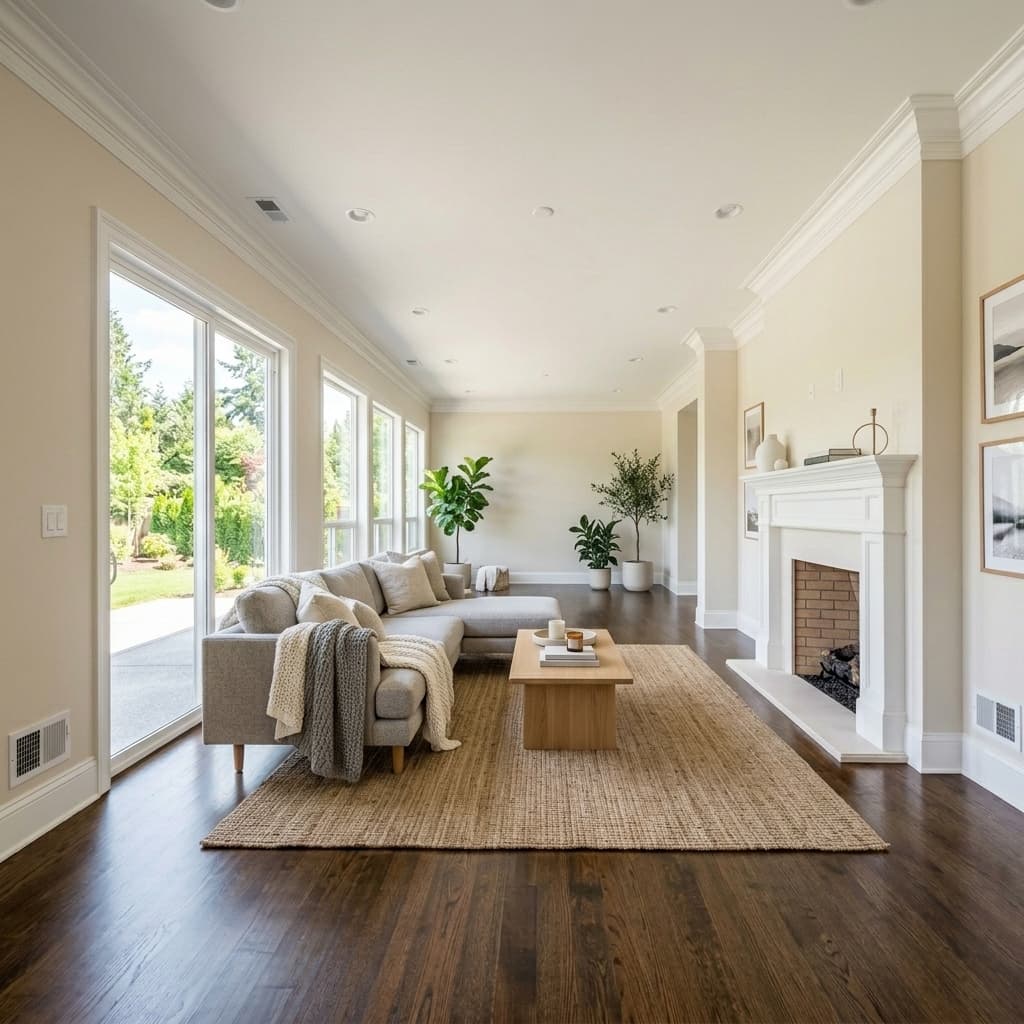
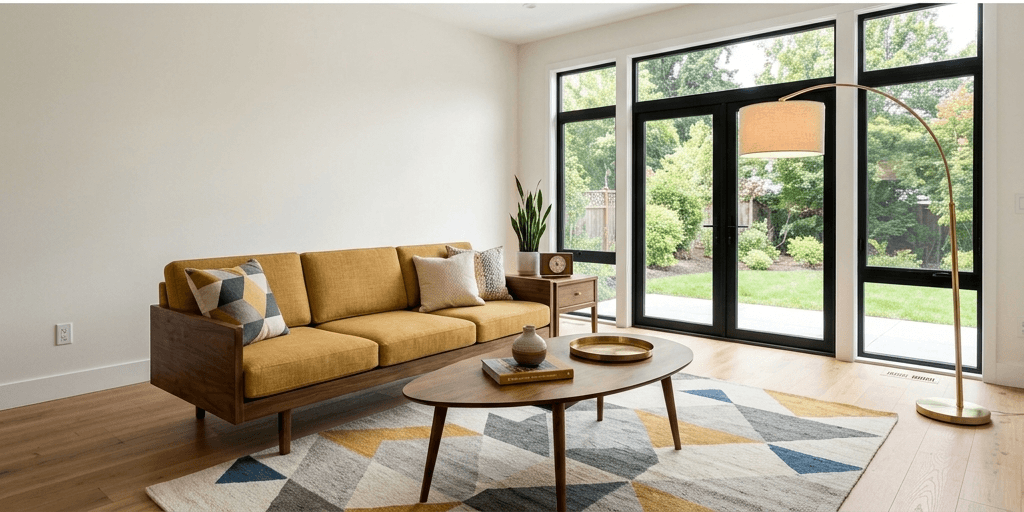
- The Living Room: The centerpiece of the home. Use inviting sofa arrangements, a central coffee table, and soft area rugs to build a sense of community.
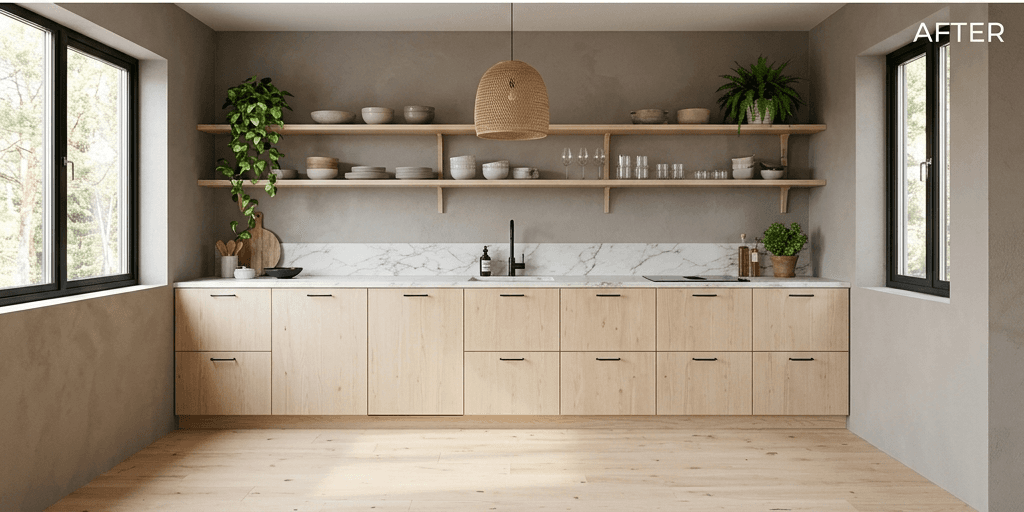
- The Kitchen: The heart of home lifestyle. Place premium counter stools, fresh fruit bowls, and modern lighting to suggest culinary warmth and entertainment potential.
- The Primary Bedroom: A sanctuary. Staging should feature high-quality bedding, balanced nightstands, and soft neutral tones to evoke calmness and relaxation.
Final Thoughts
Staging a vacant home is no longer a luxury reserved for multi-million dollar estates. By utilizing modern AI tools like StageSnap, you can make every single listing look like a designer showcase, helping your listings stand out on MLS portals, sell significantly faster, and command top dollar.