The Digital Landscape of 2026
The real estate market in 2026 is faster, more visual, and more tech-driven than ever before. With over 97% of buyers starting their home search online, the battle for attention is won or lost in the first few milliseconds a user spends scrolling through portals like Zillow, Redfin, and Realtor.com.
For modern agents, relying on traditional marketing channels is no longer sufficient. To capture high-value leads and secure premium listings, top-producing agents are adopting a new suite of digital marketing strategies. Here are the five game-changing marketing trends defining real estate in 2026.
1. AI-Powered Photorealistic Virtual Staging
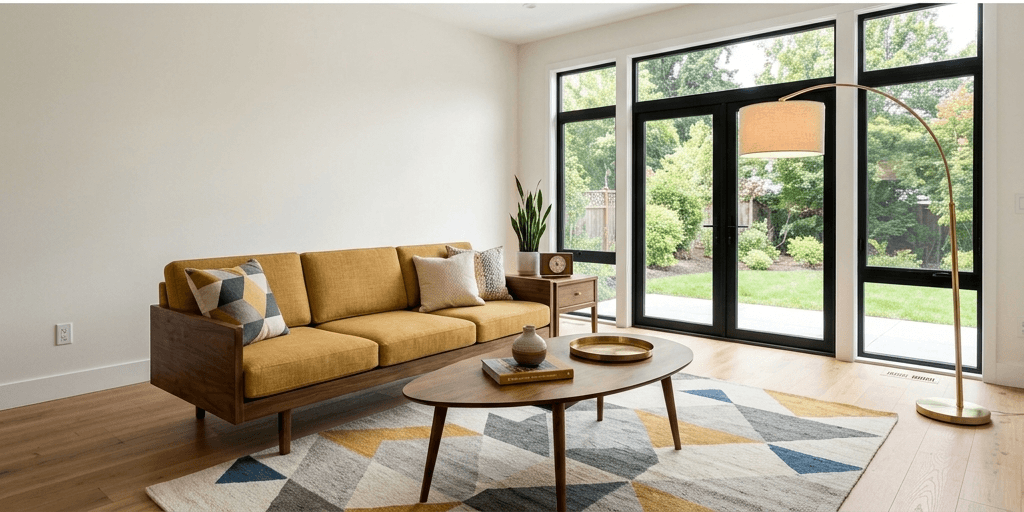
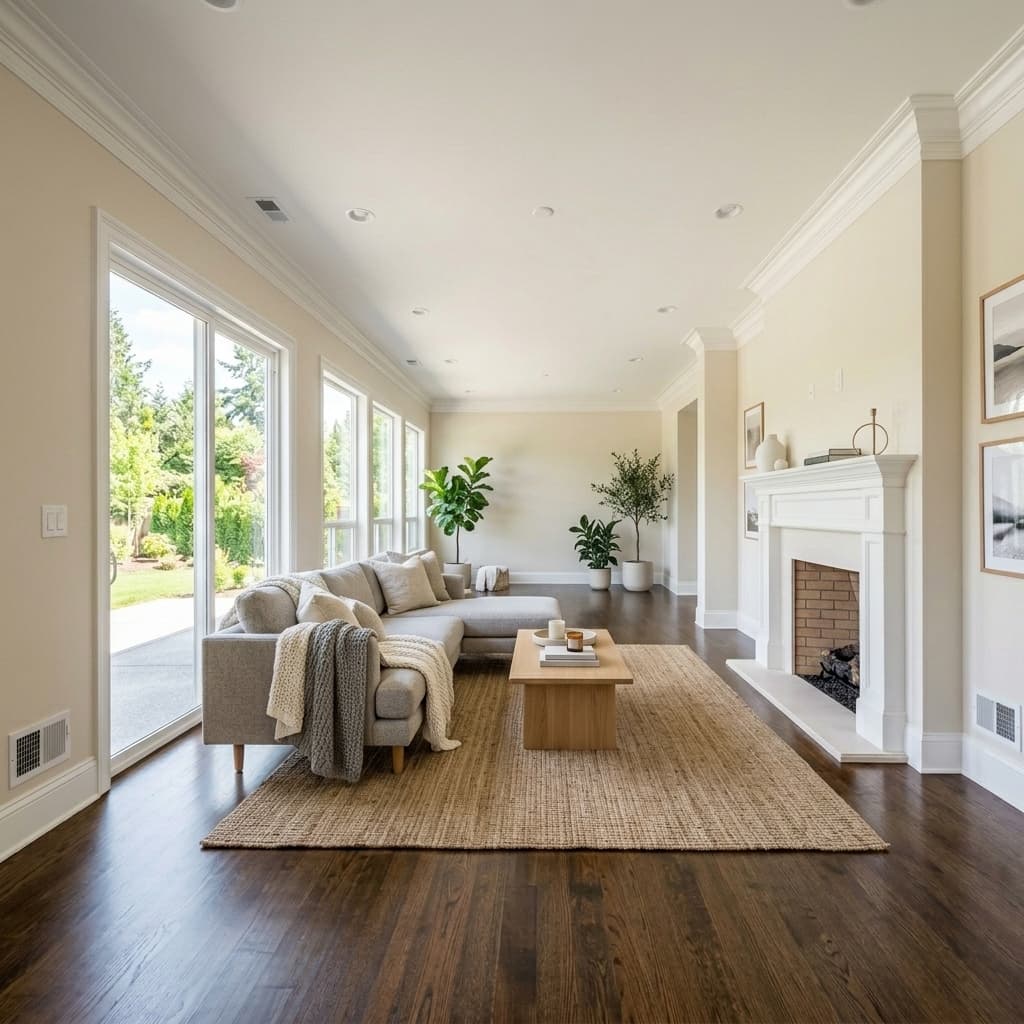
Physical home staging has long been a staple of real estate marketing, but its high cost (averaging $3,000–$5,000 per home) and long setup times are major bottlenecks. In 2026, generative AI staging platforms like StageSnap have achieved 100% flawless photorealism, rendering physical staging obsolete for all but the most high-end luxury properties.
AI engines can now place furniture in vacant rooms with mathematically perfect shadows, realistic textures, and appropriate lighting scale. This allows agents to market a home in multiple popular aesthetics (such as Scandinavian Modern, Mid-Century Modern, or Industrial Contemporary) instantly, matching the design preference of different buyer demographics.
2. Hyper-Local Micro-Video Content
Long-form property walkthroughs are being replaced by hyper-local, short-form video content on TikTok, Instagram Reels, and YouTube Shorts. Buyers in 2026 aren't just looking at the four walls of a house—they want to understand the lifestyle, the community, and the neighborhood culture.
Savvy agents are filming 30-to-60 second "micro-neighborhood tours" highlighting local coffee shops, parks, school statistics, and community events. These videos establish the agent as the go-to neighborhood authority while feeding algorithmic content engines that drive high-quality organic lead generation.
3. Predictive Analytics for Seller Identification
Cold-calling and generic door-knocking are rapidly declining. Instead, successful brokerages are utilizing predictive analytics models integrated directly into their CRMs. By tracking public records, historical market cycles, moving patterns, and social behavior signals, these platforms can flag homes that are highly likely to list within the next 90 days.
This allows agents to target their direct mail, digital advertising, and outreach campaigns precisely to potential sellers, maximizing their return on marketing spend.
4. Immersive Web-Based 3D Walkthroughs
While 3D tours have been around for years, 2026 has seen a major leap in accessibility. Advanced WebGL technologies allow seamless, interactive 3D dollhouses and high-fidelity walkthroughs to load instantly in a mobile browser without requiring app installations or high bandwidth.
These virtual environments let out-of-town buyers explore properties remotely, filtering by furniture configurations or virtually repainting the walls with a single click.
5. AI Listing Descriptions & Automated Copywriting
Writing listing descriptions, email newsletters, and social media captions has been streamlined by advanced LLMs customized for real estate. Agents use AI to generate rich, emotionally engaging listing descriptions that are optimized for search engines (SEO) and formatted with perfect tone structures to appeal to targeted buyer profiles.
Conclusion
The agents who dominate the real estate industry in 2026 are those who embrace digital change rather than resist it. By combining generative AI staging, hyper-local short-form videos, and predictive analytics, you can deliver unmatched value to your clients, stand out in a crowded market, and grow your listing pipeline exponentially.